Expériences·Basé sur la transcription
Papa Bale essaie du Haut ⚡️ avec une charge de 100 watts
Regardez Papa Bale démarrer son contrôleur à effet Hall sur un moteur à impulsions multi-bobines alimentant une lampe halogène de 120W à 75 volts. Mesures réelles sur banc, problèmes de chauffe, lévitation du rotor et ce qui se passe vraiment sous charge.
Les vidéos sont en anglais
Les vidéos d'atelier sur YouTube sont en anglais. Ces pages traduisent les notes pour suivre l'expérience en français.
Format long · Audio complet · Mieux sur YouTube
Les vidéos sont en anglaisRegardez la vidéo complète : Papa Bale essaie du Haut ⚡️ avec une charge de 100 watts
Regardez la vidéo complète sur YouTube — c'est là que vivent l'audio du banc, la durée réelle et l'expérience entière.
Les vidéos d'atelier sur YouTube sont en anglais. Ces pages traduisent les notes pour suivre l'expérience en français.
Aperçu · la version complète est mieux sur YouTube
Prefer the full player? Better audio, runtime, and next-video queue on YouTube.
▶ Open full on YouTubeAller au passage · vidéo complète sur YouTube
Écoutez-le sur le banc
Chaque lien ouvre « Papa Bale essaie du Haut ⚡️ avec une charge de 100 watts » sur YouTube au premier moment où le sujet apparaît dans les sous-titres. Restez sur YouTube pour la durée complète.
Les vidéos sont en anglais
- ▶ Voir à 37:21hall effect pulseprincipal
“…a homie Hall effect X…”
- ▶ Voir à 37:21motor hall effectlongue traîne
“…a homie Hall effect X…”
- ▶ Voir à 13:2516 gauge coillongue traîne
“…Awesome. Then we got this 16 gauge coil…”
- ▶ Voir à 6:07bedini pulselongue traîne
“…And there's there's my uh Bedini light…”
- ▶ Voir à 12:33magnets pulselongue traîne
“…magnet rotor. Neodymium cubes, south…”
Voyez-le sur le banc · durée complète sur YouTube
Points à observer dans la vidéo
- ▸75 volts allume l'halogène 120W de façon extrêmement brillante sur la bobine de sortie
- ▸Entrée mesurée autour de 9V à 3A tout en produisant 75V en sortie
- ▸PLA chargé de fer verrouille les aimants néodymes pour une plus grande confiance en haut régime
- ▸Le MOSFET sur gros dissipateur chauffe rapidement à haute tension
- ▸Plusieurs déclencheurs de bobines à 90° et le cuivre en série donnent une bonne résistance mais pas le meilleur rendement
- ▸Le rotor lévite sur un aimant toroïdal et tourne plus doucement à 75V qu'à 31V
Regardez la vidéo complète sur YouTube — c'est là que vivent l'audio du banc, la durée réelle et l'expérience entière.
Les vidéos sont en anglais
Notes d'expérience (à lire pendant la vidéo)
J'ai enfin mis une vraie charge sur le montage du contrôleur à effet Hall. Une ampoule halogène de 120W qui brille fort tout en tirant d'une entrée 9V 3A montée à 75V en sortie. Beaucoup de cuivre de bobines en série, rotor en lévitation magnétique, chauffe sur le MOSFET, et un peu de discussion sur l'oscilloscope.
Points clés
- 75 volts allume l'halogène 120W de façon extrêmement brillante sur la bobine de sortie
- Entrée mesurée autour de 9V à 3A tout en produisant 75V en sortie
- PLA chargé de fer verrouille les aimants néodymes pour une plus grande confiance en haut régime
- Le MOSFET sur gros dissipateur chauffe rapidement à haute tension
- Plusieurs déclencheurs de bobines à 90° et le cuivre en série donnent une bonne résistance mais pas le meilleur rendement
- Le rotor lévite sur un aimant toroïdal et tourne plus doucement à 75V qu'à 31V
Petite session sur banc où j'ai branché une charge halogène d'environ 100 watts sur le contrôleur à effet Hall. Le moteur est un rotor à quatre aimants sur une base toroïdale en lévitation avec un mélange de bobines en 16ga, 18ga, 20ga, 26ga, 32ga, toutes câblées en série. À 31V d'entrée il tourne à peine sous le poids, mais 75V le réveille direct et la lumière devient carrément folle. Le dissipateur du MOSFET a chauffé vite, j'ai dû lever le pied. J'ai senti une odeur de brûlé et j'ai tout arrêté. Du troubleshooting live-stream classique.
Liens sur ce site
- Using a Hall Effect Sensor in Your Pulse Motor Build — Directly matches the hall effect controller and sensor discussion in the live test
- Bedini Motor & SSG Circuit Guide (Beginner Bedini Explained) — The build is described as Bedini-esque with the same style output bulb
- Pulse Motor Rotor Design: Magnets, Materials and Balance — Covers the four-magnet levitating rotor with iron-infused PLA locking
- How to Wind Coils for a Pulse Motor (Step by Step) — Details the trifilar, dual drive, and series 16-32 gauge coil choices
- I Finally Got My Pulse Motor Running (Reed Switch) — Similar first-person title style and earlier pulse motor success video
Continuez · sessions plus longues
Plus d'expériences en format long
Enchaînez la prochaine expérience longue sur YouTube — les sessions plus longues gardent l'atelier gratuit pour tous.
Les vidéos sont en anglais — Les vidéos d'atelier sur YouTube sont en anglais. Ces pages traduisent les notes pour suivre l'expérience en français.
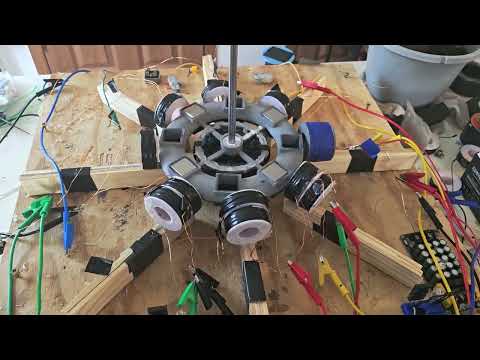 Format longLes vidéos sont en anglais
2 circuits qui font tourner une troisième chambre encore libre pour un peu de croissance/expansion
Regardez-moi démarrer deux circuits de moteur à impulsions sur une roue avec huit emplacements de bobines.
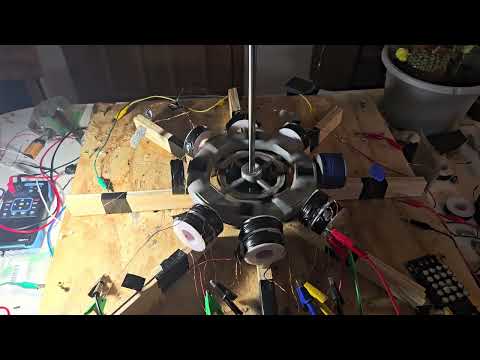 Format longLes vidéos sont en anglais
MPH Pulse Motor Labs EP:2 – Skin Deep
Regardez-moi faire tourner un three magnet rotor one sur l'établi.
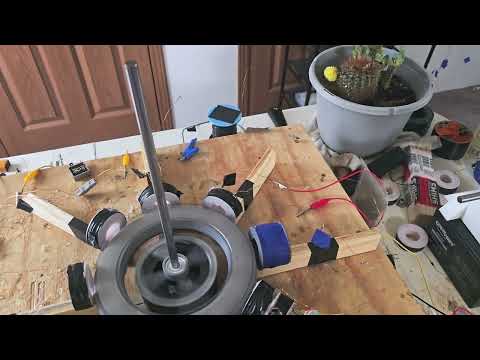 Format longLes vidéos sont en anglais
Bobine entonnoir d'amperes – EP:1
Regardez-moi démarrer ce moteur à impulsions 8 aimants 8 bobines a bobine entonnoir d'amperes sur un circuit Bedini tronqué.
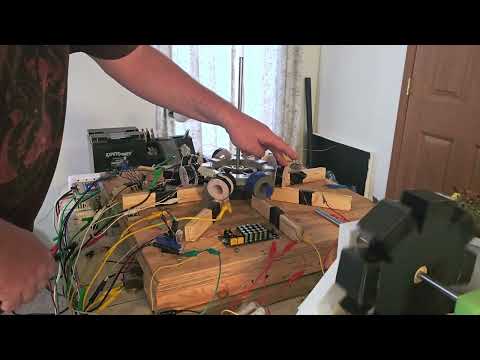 Format longLes vidéos sont en anglais
Labo Moteur à Impulsions MPH
Regardez-moi faire tourner un moteur à impulsions avec des aimants rotor moteur sur un rotor équilibré.
Un seul parcours · d'abord gratuit
Regarder gratuitement → s'abonner → abonnement optionnel
Les notes restent gratuites. L'expérience complète est sur YouTube. L'abonnement est optionnel pour Discord et les exclus — pas obligatoire pour apprendre.
- 2
S'abonner gratuitement + activer les alertes
Cliquez sur S'abonner, puis sur la 🔔 pour ne pas rater la prochaine expérience.
S'abonner gratuitement + 🔔 - 3
Optionnel : rejoindre pour $2.99/mo
Vidéos réservées aux membres, Discord et mentions en live — résiliable à tout moment.
Rejoindre $2.99/mo
Sessions plus longues · bibliothèque gratuite avec pubs
Parcours de visionnage · marathon YouTube
Enchaînez la prochaine expérience longue sur YouTube — les sessions plus longues gardent l'atelier gratuit pour tous.
Les vidéos sont en anglais
- 1▶ Voir en entier sur YouTube
La Vérité Choquante sur les Moteurs à Impulsions – Ce qui Vous Manquait !
Notes et transcription sur le site - 2▶ Voir en entier sur YouTube
Bobine entonnoir d'amperes – EP:1
Notes et transcription sur le site - 3▶ Voir en entier sur YouTube
Bobine Amp Funnel Alimente un Moteur à Impulsions à 8 Aimants Neo Cube jusqu'à 1300 tr/min
Notes et transcription sur le site - 4▶ Voir en entier sur YouTube
8 Aimants Moteur à Impulsions Bobines d'Induction Style Bedini Charge
Notes et transcription sur le site