Experimentos·Baseado na transcrição
Papa Bale está testando Alta ⚡️ com carga de 100 watts
Assista Papa Bale ligar seu controlador de efeito hall em um motor de pulso multi-bobina rodando uma lâmpada halógena de 120W a 75 volts. Medições reais no banco, problemas de aquecimento, levitação do rotor e o que realmente acontece sob carga.
Os vídeos estão em inglês
Os vídeos da oficina no YouTube estão em inglês. Estas páginas traduzem as notas para você acompanhar o experimento em português.
Longa duração · Áudio completo · Melhor no YouTube
Os vídeos estão em inglêsAssista ao vídeo completo: Papa Bale está testando Alta ⚡️ com carga de 100 watts
Assista ao vídeo completo no YouTube — é lá que estão o áudio da bancada, a duração real e o experimento inteiro.
Os vídeos da oficina no YouTube estão em inglês. Estas páginas traduzem as notas para você acompanhar o experimento em português.
Prévia · a versão completa fica melhor no YouTube
Prefer the full player? Better audio, runtime, and next-video queue on YouTube.
▶ Open full on YouTubePule para o trecho · vídeo completo no YouTube
Ouça na bancada
Cada link abre “Papa Bale está testando Alta ⚡️ com carga de 100 watts” no YouTube no primeiro momento em que o tema aparece nas legendas. Fique no YouTube para a duração completa.
Os vídeos estão em inglês
- ▶ Assistir em 37:21hall effect pulseprincipal
“…a homie Hall effect X…”
- ▶ Assistir em 37:21motor hall effectcauda longa
“…a homie Hall effect X…”
- ▶ Assistir em 13:2516 gauge coilcauda longa
“…Awesome. Then we got this 16 gauge coil…”
- ▶ Assistir em 6:07bedini pulsecauda longa
“…And there's there's my uh Bedini light…”
- ▶ Assistir em 12:33magnets pulsecauda longa
“…magnet rotor. Neodymium cubes, south…”
Veja na bancada · duração completa no YouTube
O que observar no vídeo
- ▸75 volts acende a halógena de 120W extremamente brilhante na bobina de saída
- ▸Entrada medida em torno de 9V a 3A enquanto produzia 75V de saída
- ▸PLA com infusão de ferro trava os ímãs de neodímio no lugar para maior confiança em RPM altos
- ▸MOSFET no dissipador grande esquenta rápido em tensão mais alta
- ▸Múltiplos gatilhos de bobina a 90° e cobre em série dão boa resistência mas não a melhor eficiência
- ▸Rotor levita sobre um ímã toroidal e roda mais suave a 75V do que a 31V
Assista ao vídeo completo no YouTube — é lá que estão o áudio da bancada, a duração real e o experimento inteiro.
Os vídeos estão em inglês
Notas do experimento (leia enquanto assiste)
Finalmente coloquei uma carga real no controlador de efeito hall que construí. Rodando uma lâmpada halógena de 120W bem brilhante puxando de uma entrada 9V 3A elevada para 75V de saída. Bastante cobre de bobina em série, rotor com levitação magnética, aquecimento no MOSFET e um papo sobre osciloscópio.
Principais conclusões
- 75 volts acende a halógena de 120W extremamente brilhante na bobina de saída
- Entrada medida em torno de 9V a 3A enquanto produzia 75V de saída
- PLA com infusão de ferro trava os ímãs de neodímio no lugar para maior confiança em RPM altos
- MOSFET no dissipador grande esquenta rápido em tensão mais alta
- Múltiplos gatilhos de bobina a 90° e cobre em série dão boa resistência mas não a melhor eficiência
- Rotor levita sobre um ímã toroidal e roda mais suave a 75V do que a 31V
Sessão curta no banco onde eu joguei uma carga halógena de uns 100 watts no controlador de efeito hall. O motor é um rotor de quatro ímãs sobre uma base toroidal levitante com uma mistura de bobinas 16ga, 18ga, 20ga, 26ga, 32ga todas ligadas em série. Com 31V de entrada mal girava sob o peso, mas 75V acorda ele na hora e a luz fica absurdamente brilhante. O dissipador do MOSFET esquentou e tive que reduzir. Senti cheiro de queimado e desliguei. Clássico troubleshooting ao vivo.
Relacionado neste site
- Using a Hall Effect Sensor in Your Pulse Motor Build — Directly matches the hall effect controller and sensor discussion in the live test
- Bedini Motor & SSG Circuit Guide (Beginner Bedini Explained) — The build is described as Bedini-esque with the same style output bulb
- Pulse Motor Rotor Design: Magnets, Materials and Balance — Covers the four-magnet levitating rotor with iron-infused PLA locking
- How to Wind Coils for a Pulse Motor (Step by Step) — Details the trifilar, dual drive, and series 16-32 gauge coil choices
- I Finally Got My Pulse Motor Running (Reed Switch) — Similar first-person title style and earlier pulse motor success video
Continue assistindo · sessões mais longas
Mais experimentos em longa duração
Coloque na fila o próximo experimento longo no YouTube — sessões mais longas mantêm a oficina grátis para todos.
Os vídeos estão em inglês — Os vídeos da oficina no YouTube estão em inglês. Estas páginas traduzem as notas para você acompanhar o experimento em português.
 Longa duraçãoOs vídeos estão em inglês
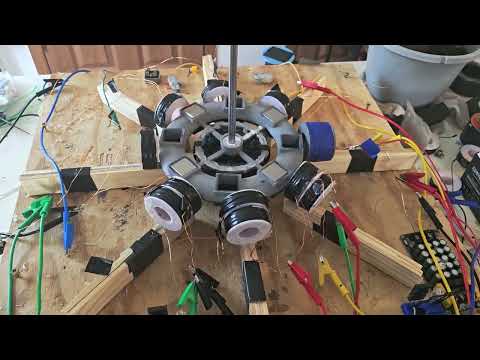
2 Circuitos Rodando uma Terceira Bobina Ainda com Espaço para Crescimento/Expansão
Assista eu ligar dois circuitos de motor de pulso em uma roda com oito slots de bobinas.
 Longa duraçãoOs vídeos estão em inglês
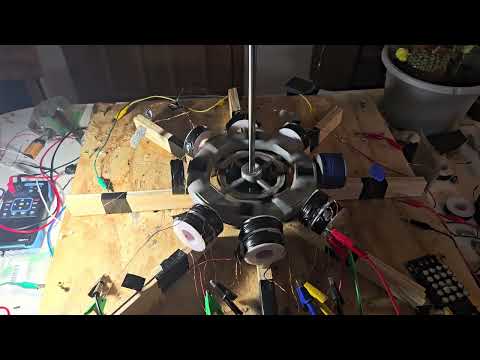
Laboratórios de Motor de Pulso MPH EP:2 – Apenas a Superfície
Assista eu girando um rotor de três ímãs um na bancada.
 Longa duraçãoOs vídeos estão em inglês
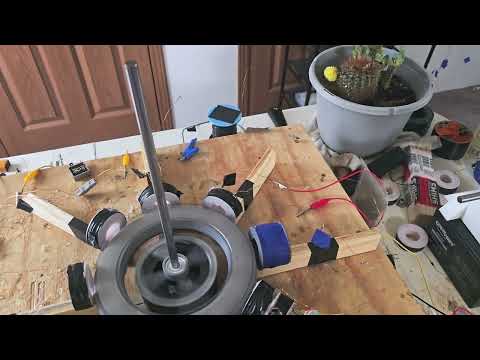
Motor de Pulso com Medidor de Bateria de Carro – EP1: Apenas Arranhando a Superfície
Assista enquanto eu ligo este motor de pulso de 8 ímãs e 8 bobinas com bobina funil de amperes em um circuito Bedini truncado.
 Longa duraçãoOs vídeos estão em inglês
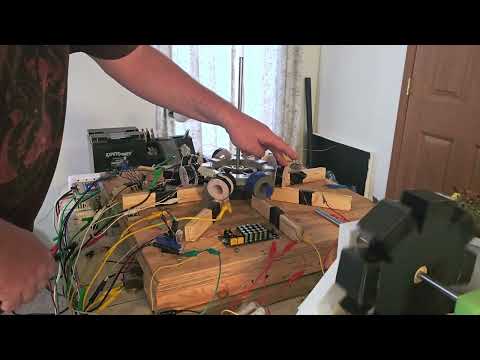
Laboratório de Motor de Pulso MPH
Assista eu girando um motor de pulso usando ímãs de rotor de motor em um rotor balanceado.
Um caminho · grátis primeiro
Assistir grátis → inscrever-se → assinatura opcional
As notas são grátis. O experimento completo está no YouTube. A assinatura é opcional se você quiser Discord e exclusivos — não é obrigatória para aprender.
- 2
Inscreva-se grátis e ative alertas
Toque em Inscrever-se e depois no 🔔 para não perder o próximo experimento.
Inscrever-se grátis + 🔔 - 3
Opcional: assine por $2.99/mo
Vídeos só para membros, Discord e menções nas lives — cancele quando quiser.
Assinar $2.99/mo
Sessões mais longas · biblioteca grátis com anúncios
Roteiro de vídeos · maratona no YouTube
Coloque na fila o próximo experimento longo no YouTube — sessões mais longas mantêm a oficina grátis para todos.
Os vídeos estão em inglês
- 1▶ Assistir completo no YouTube
A Verdade Chocante Sobre Motores de Pulso – O Que Você Tem Perdido!
Notas e transcrição no site - 2▶ Assistir completo no YouTube
Motor de Pulso com Medidor de Bateria de Carro – EP1: Apenas Arranhando a Superfície
Notas e transcrição no site - 3▶ Assistir completo no YouTube
Bobina Funil de Ampère Alimenta Motor de Pulso com 8 Ímãs Neo Cube até 1300 RPM
Notas e transcrição no site - 4▶ Assistir completo no YouTube
8 Magnet Pulse Motor Induction Coils Bedini-Style Charge
Notas e transcrição no site