Experimente·Transkript-basiert
Papa Bale probiert hohe ⚡️ Spannung mit 100-Watt-Last aus
Schau zu, wie Papa Bale seinen Hall-Effekt-Controller an einem Multi-Coil-Pulsmotor mit einer 120W-Halogenlampe bei 75 Volt startet. Echte Bench-Messungen, Hitzeprobleme, Rotor-Levitation und was unter Last wirklich passiert.
Videos sind auf Englisch
Die Werkstatt-Videos auf YouTube sind auf Englisch. Diese Seiten übersetzen die Notizen, damit du dem Experiment auf Deutsch folgen kannst.
Langform · Voller Ton · Am besten auf YouTube
Videos sind auf EnglischSchau das komplette Video: Papa Bale probiert hohe ⚡️ Spannung mit 100-Watt-Last aus
Schau das volle Langform-Video auf YouTube — dort sind Bank-Audio, Laufzeit und das ganze Experiment.
Die Werkstatt-Videos auf YouTube sind auf Englisch. Diese Seiten übersetzen die Notizen, damit du dem Experiment auf Deutsch folgen kannst.
Vorschau · volle Laufzeit ist besser auf YouTube
Prefer the full player? Better audio, runtime, and next-video queue on YouTube.
▶ Open full on YouTubeZum Abschnitt springen · volles Video auf YouTube
Am Bank hören
Jeder Link öffnet „Papa Bale probiert hohe ⚡️ Spannung mit 100-Watt-Last aus“ auf YouTube beim ersten Vorkommen des Themas in den Untertiteln. Bleib auf YouTube für die volle Laufzeit.
Videos sind auf Englisch
- ▶ Ansehen bei 37:21hall effect pulseprimär
“…a homie Hall effect X…”
- ▶ Ansehen bei 37:21motor hall effectLong-Tail
“…a homie Hall effect X…”
- ▶ Ansehen bei 13:2516 gauge coilLong-Tail
“…Awesome. Then we got this 16 gauge coil…”
- ▶ Ansehen bei 6:07bedini pulseLong-Tail
“…And there's there's my uh Bedini light…”
- ▶ Ansehen bei 12:33magnets pulseLong-Tail
“…magnet rotor. Neodymium cubes, south…”
Am Bank sehen · volle Laufzeit auf YouTube
Worauf im Video achten
- ▸75 Volt lassen die 120W-Halogenlampe am Ausgang extrem hell leuchten
- ▸Eingang gemessen bei ca. 9V und 3A, während 75V am Ausgang erzeugt werden
- ▸Eisenhaltiges PLA fixiert Neodym-Magnete für mehr RPM-Vertrauen
- ▸MOSFET auf großem Kühlkörper wird bei höherer Spannung schnell heiß
- ▸Mehrere 90°-Spulentrigger und Serien-Kupfer geben guten Widerstand, aber keine Top-Effizienz
- ▸Der Rotor levitiert auf einem Toroid-Magneten und läuft bei 75V ruhiger als bei 31V
Schau das volle Langform-Video auf YouTube — dort sind Bank-Audio, Laufzeit und das ganze Experiment.
Videos sind auf Englisch
Experimentnotizen (während des Videos lesen)
Ich habe endlich eine echte Last auf den Hall-Effekt-Controller-Bau gegeben. Eine 120W-Halogenlampe leuchtet hell, während ich von einem 9V 3A Eingang auf 75V Ausgang hochsetze. Viele Spulen aus Kupfer in Serie, magnetisch levitierender Rotor, Hitze am MOSFET und etwas Oszilloskop-Gespräch.
Wichtige Erkenntnisse
- 75 Volt lassen die 120W-Halogenlampe am Ausgang extrem hell leuchten
- Eingang gemessen bei ca. 9V und 3A, während 75V am Ausgang erzeugt werden
- Eisenhaltiges PLA fixiert Neodym-Magnete für mehr RPM-Vertrauen
- MOSFET auf großem Kühlkörper wird bei höherer Spannung schnell heiß
- Mehrere 90°-Spulentrigger und Serien-Kupfer geben guten Widerstand, aber keine Top-Effizienz
- Der Rotor levitiert auf einem Toroid-Magneten und läuft bei 75V ruhiger als bei 31V
Kurze Bench-Session, bei der ich eine ca. 100-Watt-Halogenlast auf den Hall-Effekt-Controller geschaltet habe. Der Motor hat einen Vier-Magnet-Rotor auf einer levitierenden Toroid-Basis mit einer Mischung aus 16ga, 18ga, 20ga, 26ga und 32ga Spulen, alle in Serie geschaltet. Bei 31V Eingang dreht er unter der Last kaum, aber bei 75V wacht er richtig auf und die Lampe wird verrückt hell. Der MOSFET-Kühlkörper wurde schnell heiß, deshalb musste ich zurückfahren. Es roch nach Verbranntem und ich habe alles abgeschaltet. Klassisches Live-Stream-Troubleshooting.
Wenn du Pulsmotoren baust, schreib deine Spannungs- und Spulen-Fragen unten in die Kommentare. Werde Kanalmitglied für den nächsten Live-Bau.
Verwandt auf dieser Website
- Using a Hall Effect Sensor in Your Pulse Motor Build — Directly matches the hall effect controller and sensor discussion in the live test
- Bedini Motor & SSG Circuit Guide (Beginner Bedini Explained) — The build is described as Bedini-esque with the same style output bulb
- Pulse Motor Rotor Design: Magnets, Materials and Balance — Covers the four-magnet levitating rotor with iron-infused PLA locking
- How to Wind Coils for a Pulse Motor (Step by Step) — Details the trifilar, dual drive, and series 16-32 gauge coil choices
- I Finally Got My Pulse Motor Running (Reed Switch) — Similar first-person title style and earlier pulse motor success video
Weiter schauen · längere Sessions
Mehr Langform-Bench-Läufe
Reihe den nächsten langen Bench-Lauf auf YouTube ein — längere Sessions halten die Werkstatt für alle kostenlos.
Videos sind auf Englisch — Die Werkstatt-Videos auf YouTube sind auf Englisch. Diese Seiten übersetzen die Notizen, damit du dem Experiment auf Deutsch folgen kannst.
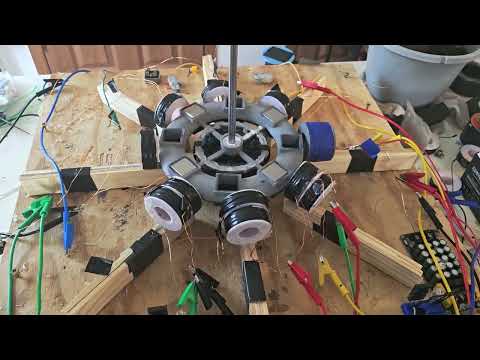 LangformVideos sind auf Englisch
2 Schaltkreise betreiben ein drittes Zimmer mit etwas Wachstum/Erweiterung
Schau zu, wie ich zwei Puls-Motor-Schaltkreise auf einem Rad mit acht Spulenplätzen zünde.
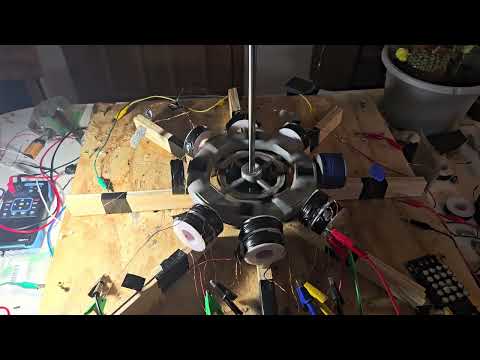 LangformVideos sind auf Englisch
MPH Pulse Motor Labs EP:2 – Nur oberflächlich
Schau mir zu, wie ich einen Three Magnet Rotor One auf der Werkbank hochdrehe.
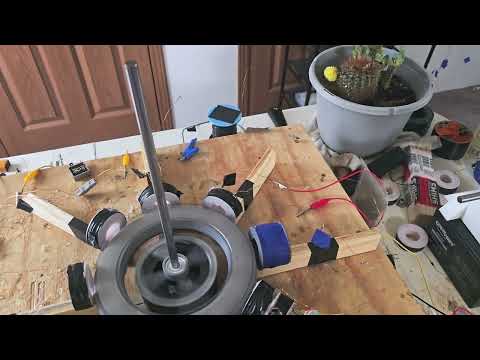 LangformVideos sind auf Englisch
Amp-Trichter-Spule – Pulsmotor-Labor EP:1
Schau zu, wie ich diesen 8-Magnet-8-Spulen-Amp-Trichter-Spulen-Pulsmotor auf einem gekürzten Bedini-Schaltkreis zum Laufen bringe.
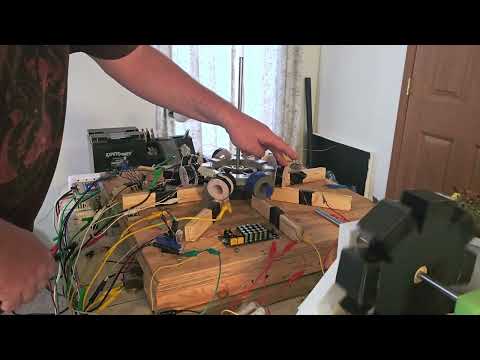 LangformVideos sind auf Englisch
MPH Puls-Motor Labor
Schau zu, wie ich einen Puls-Motor mit Motor-Rotor-Magneten auf einem ausgewuchteten Rotor zum Laufen bringe.
Ein Weg · zuerst kostenlos
Kostenlos schauen → abonnieren → optionale Mitgliedschaft
Notizen bleiben gratis. Das volle Experiment lebt auf YouTube. Mitgliedschaft ist optional für Discord und Extras — nicht nötig zum Lernen.
- 2
Kostenlos abonnieren + Glocke an
Abonnieren tippen, dann 🔔, damit du das nächste Experiment nicht verpasst.
Kostenlos abonnieren + 🔔 - 3
Optional: beitreten für $2.99/mo
Mitglieder-Videos, Discord und Live-Shoutouts — jederzeit kündbar.
Beitreten $2.99/mo
Längere Sessions · kostenlose Bibliothek mit Werbung
Sehpfad · Marathon auf YouTube
Reihe den nächsten langen Bench-Lauf auf YouTube ein — längere Sessions halten die Werkstatt für alle kostenlos.
Videos sind auf Englisch
- 1▶ Vollständig auf YouTube ansehen
Schockierende Wahrheit über Puls-Motoren – Was du bisher verpasst hast!
Notizen & Transkript auf der Website - 2▶ Vollständig auf YouTube ansehen
Amp-Trichter-Spule – Pulsmotor-Labor EP:1
Notizen & Transkript auf der Website - 3▶ Vollständig auf YouTube ansehen
Amp Funnel Coil treibt 8-Neo-Cube-Magnet-Pulsmotor auf 1300 U/min
Notizen & Transkript auf der Website - 4▶ Vollständig auf YouTube ansehen
8-Magnet-Puls-Motor Induktionsspulen Bedini-Style Laden
Notizen & Transkript auf der Website