Expériences·
Interrupteur Marche/Arrêt pour mon Moteur à Impulsions Basse Tension (Équilibrage Graphite)
Regardez-moi bricoler un moteur à impulsions basse tension avec du graphite pour l'équilibrage et un simple interrupteur marche/arrêt. Voyez le Utron en lévitation magnétique qui tourne de façon cahoteuse à 36 V, pourquoi 48 V ne suffit pas, et les petits changements qui lissent le tout. Mesures réelles sur banc et leçons de DIY uniquement.
Les vidéos sont en anglais
Format long · Audio complet · Mieux sur YouTube
Les vidéos sont en anglaisRegardez la vidéo complète : Interrupteur Marche/Arrêt pour mon Moteur à Impulsions Basse Tension (Équilibrage Graphite)
Regardez la vidéo complète sur YouTube — c'est là que vivent l'audio du banc, la durée réelle et l'expérience entière.
Les vidéos d'atelier sur YouTube sont en anglais. Ces pages traduisent les notes pour suivre l'expérience en français.
Voyez-le sur le banc · durée complète sur YouTube
Points à observer dans la vidéo
- ▸36 V fait tourner l'Utron plus doucement que 48 V sur ce montage en lévitation magnétique
- ▸Deux aimants donuts en ferrite au centre plus deux à la base donnent une répulsion correcte mais ça vibre encore à vitesse
- ▸Graphite, ajustements d'équilibrage et aimants N52 plus forts améliorent la régularité par rapport aux carrés
- ▸Interrupteur à lame avec pile 9 V et double bobines est l'étape suivante une fois que le rotor est réduit pour rentrer
- ▸Les aimants qui collent pendant le démontage rendent les ajustements répétés délicats
- ▸Environ 400 tr/min atteints mais l'équilibrage reste le plus gros obstacle
Regardez la vidéo complète sur YouTube — c'est là que vivent l'audio du banc, la durée réelle et l'expérience entière.
Les vidéos sont en anglais
Notes d'expérience (à lire pendant la vidéo)
Papa Bale fait tourner un Utron sur une lévitation magnétique de fortune avec des aimants donuts, teste les tensions de 12 V à 48 V, change pour de meilleurs aimants pour un mouvement plus fluide, et montre comment un simple interrupteur marche/arrêt plus l'équilibrage au graphite aide le moteur à impulsions basse tension à se stabiliser autour de 400 tr/min. Vibrations, problèmes d'équilibrage et futurs plans avec interrupteur à lame sont tous sur le banc.
Points clés
- 36 V fait tourner l'Utron plus doucement que 48 V sur ce montage en lévitation magnétique
- Deux aimants donuts en ferrite au centre plus deux à la base donnent une répulsion correcte mais ça vibre encore à vitesse
- Graphite, ajustements d'équilibrage et aimants N52 plus forts améliorent la régularité par rapport aux carrés
- Interrupteur à lame avec pile 9 V et double bobines est l'étape suivante une fois que le rotor est réduit pour rentrer
- Les aimants qui collent pendant le démontage rendent les ajustements répétés délicats
- Environ 400 tr/min atteints mais l'équilibrage reste le plus gros obstacle
Papa Bale ici dans l'atelier. J'ai ressorti l'Utron et j'ai enfin réussi à le faire flotter sur un montage de lévitation magnétique avec des aimants donuts. Ça secoue pas mal mais ça tourne. J'ai testé les tensions en direct : 12 V, 24 V, 36 V fonctionnaient tous, mais 48 V ne donnait pas de meilleurs résultats donc je suis resté sur 36 V. Les vibrations sont ridicules et je doute de pouvoir régler ça parfaitement à l'œil. Il y a de la place pour un petit aimant au centre donc je pense à trois petits qui repoussent l'énergie au milieu d'un empilement double ou quadruple au lieu de la face de l'aimant elle-même.
J'ai essayé de coller un aimant à l'extérieur mais ça l'a rendu encore plus instable. Les roulements glissent parce que le trou est un peu trop grand, donc la lévitation magnétique était la solution de contournement. De nouvelles bagues néodyme de 10 mm de diamètre intérieur arrivent et devraient aider. L'Utron ne tourne pas super bien en rotor simple ; il semble aimer l'aluminium et les courants de Foucault pour une vraie vitesse. Je continue d'essayer de faire rentrer un moteur à l'intérieur mais les dimensions tombent toujours juste à côté. J'ai le rotor ici qui doit être réduit pour qu'une pile 9 V et un interrupteur à lame avec quatre bobines (deux et deux) puissent aller au milieu.
J'ai aussi joué avec les disques latéraux et les aimants N52 carrés. Ils bougent correctement mais j'ai changé pour des aimants différents avec plus de surface, en orientant nord-sud comme il faut pour un mouvement plus fluide et régulier. Parfois l'interrupteur marche/arrêt fonctionne du premier coup, parfois il faut le cajoler. Celui du milieu se lance vite à 12 V une fois que les aimants du haut sont plus forts. L'équilibrage reste le problème principal avec ces donuts à l'intérieur.
Impatient de construire une ferrocell avec la vitre ronde de 3,75 pouces que j'ai en attendant les meilleures pièces. Du scotch devrait encore faire l'affaire même si ce n'est pas carré. Globalement ça flotte et ça tourne à environ 400 tr/min mais le déséquilibre est évident. De petits changements comme le graphite pour l'équilibrage et un interrupteur marche/arrêt propre font une différence notable sur ce moteur à impulsions basse tension.
Liens sur ce site
- Pulse Motor Rotor Design: Magnets, Materials and Balance — Directly supports discussion of donut magnets, balance issues, and rotor shrinking for reed switch fit
- I Finally Got My Pulse Motor Running (Reed Switch) — Matches the exact next-step plan mentioned with 9V battery and reed switch
- Magnetic Levitation with Six Donut Magnets — Similar maglev experiment using donut magnets that parallels the current Utron setup
- How to Build a Pulse Motor: Parts, Coil Placement & First Spin — Offers beginner parts and coil advice that aligns with the four-coil (two and two) plan
Continuez · sessions plus longues
Plus d'expériences en format long
Enchaînez la prochaine expérience longue sur YouTube — les sessions plus longues gardent l'atelier gratuit pour tous.
Les vidéos sont en anglais — Les vidéos d'atelier sur YouTube sont en anglais. Ces pages traduisent les notes pour suivre l'expérience en français.
 Format longLes vidéos sont en anglais
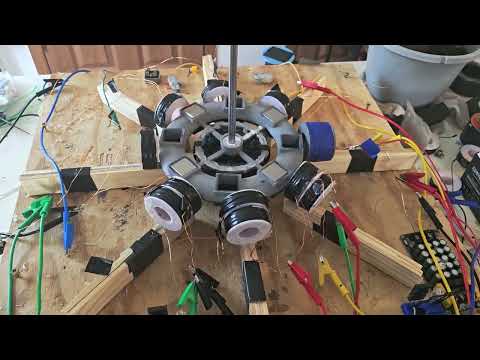
2 circuits qui font tourner une troisième chambre encore libre pour un peu de croissance/expansion
Regardez-moi démarrer deux circuits de moteur à impulsions sur une roue avec huit emplacements de bobines.
 Format longLes vidéos sont en anglais
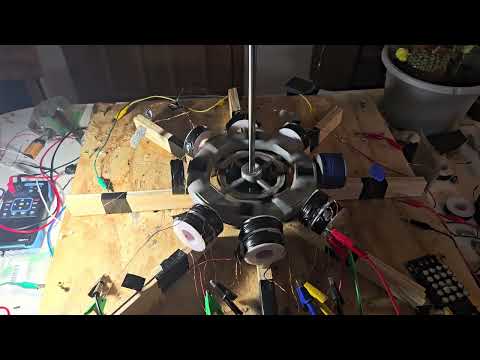
MPH Pulse Motor Labs EP:2 – Skin Deep
Regardez-moi faire tourner un three magnet rotor one sur l'établi.
 Format longLes vidéos sont en anglais
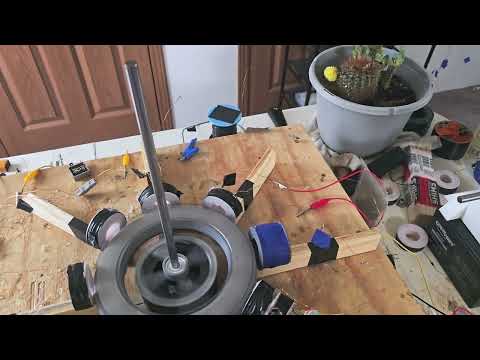
Bobine entonnoir d'amperes – EP:1
Regardez-moi démarrer ce moteur à impulsions 8 aimants 8 bobines a bobine entonnoir d'amperes sur un circuit Bedini tronqué.
 Format longLes vidéos sont en anglais
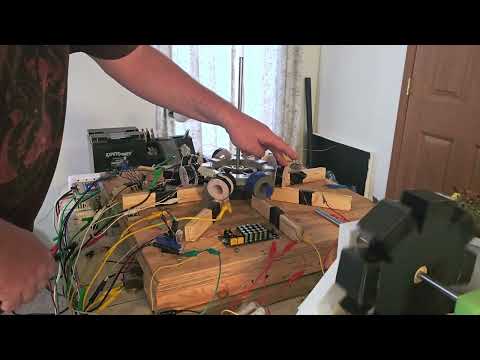
Labo Moteur à Impulsions MPH
Regardez-moi faire tourner un moteur à impulsions avec des aimants rotor moteur sur un rotor équilibré.
Un seul parcours · d'abord gratuit
Regarder gratuitement → s'abonner → abonnement optionnel
Les notes restent gratuites. L'expérience complète est sur YouTube. L'abonnement est optionnel pour Discord et les exclus — pas obligatoire pour apprendre.
- 2
S'abonner gratuitement + activer les alertes
Cliquez sur S'abonner, puis sur la 🔔 pour ne pas rater la prochaine expérience.
S'abonner gratuitement + 🔔