Experimentos·
Interruptor Liga e Desliga para Meu Motor de Pulso de Baixa Voltagem (Balanceamento com Grafite)
Assista enquanto ajusto um motor de pulso de baixa voltagem com grafite para balanceamento e um interruptor liga e desliga simples. Veja o Utron maglev irregular girando a 36V, por que 48V não funciona bem e as pequenas mudanças que deixam tudo mais suave. Apenas medições reais na bancada e lições de DIY.
Os vídeos estão em inglês
Longa duração · Áudio completo · Melhor no YouTube
Os vídeos estão em inglêsAssista ao vídeo completo: Interruptor Liga e Desliga para Meu Motor de Pulso de Baixa Voltagem (Balanceamento com Grafite)
Assista ao vídeo completo no YouTube — é lá que estão o áudio da bancada, a duração real e o experimento inteiro.
Os vídeos da oficina no YouTube estão em inglês. Estas páginas traduzem as notas para você acompanhar o experimento em português.
Veja na bancada · duração completa no YouTube
O que observar no vídeo
- ▸36V faz o Utron girar mais suave que 48V nesta montagem maglev
- ▸Dois ímãs donut de ferrite no centro mais dois na base dão repulsão utilizável, mas ainda vibram em alta velocidade
- ▸Grafite, ajustes de balanceamento e ímãs N52 mais fortes melhoram a consistência em relação aos quadrados
- ▸Reed switch com bateria 9V e bobinas duplas é o próximo passo assim que o rotor encolher para caber
- ▸Ímãs grudando durante a desmontagem tornam os ajustes repetidos complicados
- ▸Alcançados cerca de 400 RPM, mas o balanceamento continua sendo o maior obstáculo
Assista ao vídeo completo no YouTube — é lá que estão o áudio da bancada, a duração real e o experimento inteiro.
Os vídeos estão em inglês
Notas do experimento (leia enquanto assiste)
Papa Bale faz um Utron girar em uma maglev improvisada com ímãs donut, testa voltagens de 12V a 48V, troca por ímãs melhores para um movimento mais suave e mostra como um interruptor liga e desliga simples junto com balanceamento de grafite ajuda o motor de pulso de baixa voltagem a estabilizar em torno de 400 RPM. Vibração, problemas de balanceamento e planos futuros com reed switch estão todos na bancada.
Principais conclusões
- 36V faz o Utron girar mais suave que 48V nesta montagem maglev
- Dois ímãs donut de ferrite no centro mais dois na base dão repulsão utilizável, mas ainda vibram em alta velocidade
- Grafite, ajustes de balanceamento e ímãs N52 mais fortes melhoram a consistência em relação aos quadrados
- Reed switch com bateria 9V e bobinas duplas é o próximo passo assim que o rotor encolher para caber
- Ímãs grudando durante a desmontagem tornam os ajustes repetidos complicados
- Alcançados cerca de 400 RPM, mas o balanceamento continua sendo o maior obstáculo
Papa Bale aqui na oficina. Peguei o Utron de novo e finalmente consegui deixá-lo flutuando numa montagem maglev usando ímãs donut. A viagem é bem irregular, mas ele está girando. Testei as voltagens ao vivo: 12V, 24V, 36V todas funcionaram, mas 48V não se saiu tão bem, então fiquei com 36V. A vibração está absurda e duvido que consiga acertar perfeitamente só no olho. Tem espaço para um ímã pequeno no centro, então estou pensando em três pequenos empurrando a energia no meio de uma pilha dupla ou quádrupla em vez da face do ímã em si.
Tentei colar um ímã por fora, mas isso deixou tudo mais instável. Os rolamentos deslizam porque o furo é um pouco grande, então a maglev foi a solução alternativa. Novas anilhas neo de 10mm de furo interno estão a caminho e devem ajudar. O Utron não gira muito bem como rotor simples; parece que ele gosta de alumínio e correntes de Foucault para atingir velocidade de verdade. Fico tentando encaixar um motor dentro, mas as dimensões sempre ficam um pouco fora. Tenho o rotor aqui que precisa ser encolhido para que uma bateria 9V e reed switch com quatro bobinas (duas e duas) possam ir no meio.
Também brinquei com os discos laterais e ímãs N52 quadrados. Eles se movem razoavelmente, mas troquei por ímãs diferentes com mais área de superfície, orientando norte-sul conforme necessário para um movimento mais suave e consistente. Às vezes o interruptor liga e desliga funciona de primeira, às vezes precisa de um empurrãozinho. O do meio acelera rápido a 12V assim que os ímãs de cima ficam mais fortes. O balanceamento ainda é o principal problema com aqueles donuts por dentro.
Animado para construir uma ferrocell com o vidro redondo de 3,75 polegadas que tenho enquanto espero as peças melhores. Fita crepe deve funcionar mesmo que não seja quadrada. No geral ele está flutuando e girando a cerca de 400 RPM, mas o desbalanceamento é óbvio. Pequenas mudanças como grafite para balanceamento e um interruptor liga e desliga limpo fazem diferenças notáveis neste motor de pulso de baixa voltagem.
Relacionado neste site
- Pulse Motor Rotor Design: Magnets, Materials and Balance — Directly supports discussion of donut magnets, balance issues, and rotor shrinking for reed switch fit
- I Finally Got My Pulse Motor Running (Reed Switch) — Matches the exact next-step plan mentioned with 9V battery and reed switch
- Magnetic Levitation with Six Donut Magnets — Similar maglev experiment using donut magnets that parallels the current Utron setup
- How to Build a Pulse Motor: Parts, Coil Placement & First Spin — Offers beginner parts and coil advice that aligns with the four-coil (two and two) plan
Continue assistindo · sessões mais longas
Mais experimentos em longa duração
Coloque na fila o próximo experimento longo no YouTube — sessões mais longas mantêm a oficina grátis para todos.
Os vídeos estão em inglês — Os vídeos da oficina no YouTube estão em inglês. Estas páginas traduzem as notas para você acompanhar o experimento em português.
 Longa duraçãoOs vídeos estão em inglês
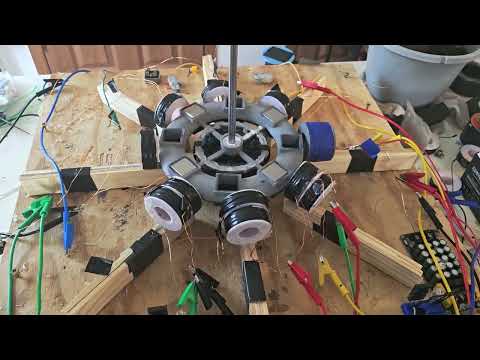
2 Circuitos Rodando uma Terceira Bobina Ainda com Espaço para Crescimento/Expansão
Assista eu ligar dois circuitos de motor de pulso em uma roda com oito slots de bobinas.
 Longa duraçãoOs vídeos estão em inglês
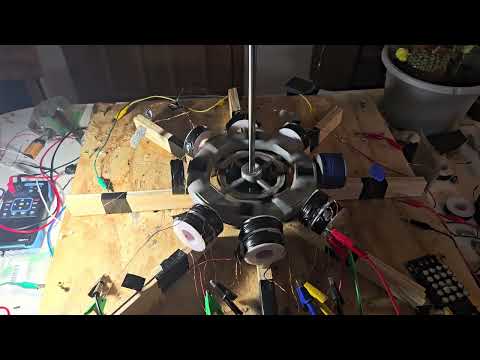
Laboratórios de Motor de Pulso MPH EP:2 – Apenas a Superfície
Assista eu girando um rotor de três ímãs um na bancada.
 Longa duraçãoOs vídeos estão em inglês
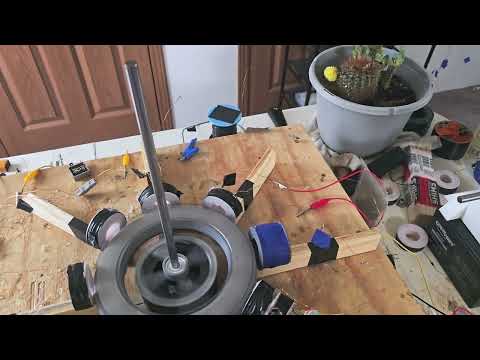
Motor de Pulso com Medidor de Bateria de Carro – EP1: Apenas Arranhando a Superfície
Assista enquanto eu ligo este motor de pulso de 8 ímãs e 8 bobinas com bobina funil de amperes em um circuito Bedini truncado.
 Longa duraçãoOs vídeos estão em inglês
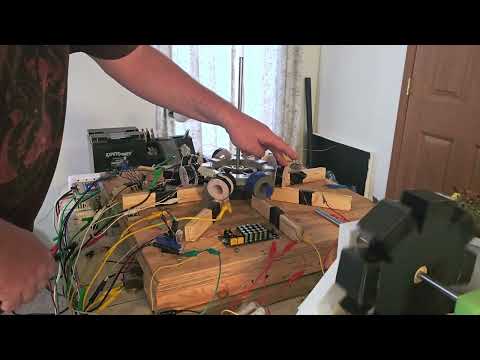
Laboratório de Motor de Pulso MPH
Assista eu girando um motor de pulso usando ímãs de rotor de motor em um rotor balanceado.
Um caminho · grátis primeiro
Assistir grátis → inscrever-se → assinatura opcional
As notas são grátis. O experimento completo está no YouTube. A assinatura é opcional se você quiser Discord e exclusivos — não é obrigatória para aprender.
- 2
Inscreva-se grátis e ative alertas
Toque em Inscrever-se e depois no 🔔 para não perder o próximo experimento.
Inscrever-se grátis + 🔔