Experimente·
Ein/Aus-Schalter für meinen Niedervolt-Puls-Motor (Graphit-Balancierung)
Schau mir zu, wie ich einen Niedervolt-Puls-Motor mit Graphit für die Balance und einen einfachen Ein/Aus-Schalter optimiere. Sieh den holprigen Maglev-Utron bei 36 V laufen, warum 48 V nicht reicht und welche kleinen Änderungen alles glätten. Echte Werkbank-Messungen und DIY-Lektionen pur.
Videos sind auf Englisch
Langform · Voller Ton · Am besten auf YouTube
Videos sind auf EnglischSchau das komplette Video: Ein/Aus-Schalter für meinen Niedervolt-Puls-Motor (Graphit-Balancierung)
Schau das volle Langform-Video auf YouTube — dort sind Bank-Audio, Laufzeit und das ganze Experiment.
Die Werkstatt-Videos auf YouTube sind auf Englisch. Diese Seiten übersetzen die Notizen, damit du dem Experiment auf Deutsch folgen kannst.
Am Bank sehen · volle Laufzeit auf YouTube
Worauf im Video achten
- ▸36 V lässt den Utron auf diesem Maglev-Setup ruhiger laufen als 48 V
- ▸Zwei Ferrit-Donut-Magnete in der Mitte plus zwei unten sorgen für brauchbare Abstoßung, schütteln aber bei Drehzahl noch stark
- ▸Graphit- und Balance-Anpassungen plus stärkere N52-Magnete verbessern die Laufruhe im Vergleich zu eckigen Magneten
- ▸Reed-Schalter mit 9-V-Batterie und Doppels Pulen ist der nächste Schritt, sobald der Rotor kleiner wird
- ▸Magnete, die beim Zerlegen kleben bleiben, machen wiederholte Anpassungen schwierig
- ▸Ca. 400 U/min erreicht, aber die Balance bleibt das größte Hindernis
Schau das volle Langform-Video auf YouTube — dort sind Bank-Audio, Laufzeit und das ganze Experiment.
Videos sind auf Englisch
Experimentnotizen (während des Videos lesen)
Papa Bale bringt einen Utron auf einem provisorischen Maglev mit Donut-Magneten zum Drehen, testet Spannungen von 12 V bis 48 V, wechselt zu besseren Magneten für ruhigeren Lauf und zeigt, wie ein einfacher Ein/Aus-Schalter plus Graphit-Balancierung den Niedervolt-Puls-Motor bei ca. 400 U/min beruhigt. Schütteln, Balance-Probleme und zukünftige Reed-Schalter-Pläne – alles direkt auf der Werkbank.
Wichtige Erkenntnisse
- 36 V lässt den Utron auf diesem Maglev-Setup ruhiger laufen als 48 V
- Zwei Ferrit-Donut-Magnete in der Mitte plus zwei unten sorgen für brauchbare Abstoßung, schütteln aber bei Drehzahl noch stark
- Graphit- und Balance-Anpassungen plus stärkere N52-Magnete verbessern die Laufruhe im Vergleich zu eckigen Magneten
- Reed-Schalter mit 9-V-Batterie und Doppels Pulen ist der nächste Schritt, sobald der Rotor kleiner wird
- Magnete, die beim Zerlegen kleben bleiben, machen wiederholte Anpassungen schwierig
- Ca. 400 U/min erreicht, aber die Balance bleibt das größte Hindernis
Hallo, hier ist Papa Bale in der Werkstatt. Ich habe den Utron wieder rausgeholt und ihn endlich auf einem Maglev-Setup mit Donut-Magneten zum Schweben gebracht. Die Fahrt ist holprig, aber er dreht sich. Ich habe die Spannungen live getestet: 12 V, 24 V und 36 V haben funktioniert, aber bei 48 V war die Leistung schlechter, deshalb bin ich bei 36 V geblieben. Das Schütteln ist heftig und ich bezweifle, dass ich das per Augenmaß perfekt hinbekomme. In der Mitte ist Platz für einen kleinen Magneten, deshalb denke ich über drei kleine Magnete nach, die die Energie in der Mitte eines doppelten oder vierfachen Stapels abstoßen, statt direkt auf der Magnetfläche.
Ich habe versucht, einen Magneten außen anzukleben, aber das hat alles noch wackeliger gemacht. Die Lager rutschen, weil das Loch etwas zu groß ist, deshalb war Maglev die Lösung. Neue Neo-Ringe mit 10 mm Innendurchmesser sind unterwegs und sollten helfen. Der Utron läuft als reiner Rotor nicht besonders gut; er scheint Aluminium und Wirbelströme für echte Geschwindigkeit zu brauchen. Ich versuche immer wieder, einen Motor hineinzubauen, aber die Maße passen einfach nie ganz. Ich habe hier den Rotor, der kleiner gemacht werden muss, damit eine 9-V-Batterie und ein Reed-Schalter mit vier Spulen (zwei und zwei) in die Mitte passen.
Ich habe auch mit den Seitenscheiben und eckigen N52-Magneten herumgespielt. Sie laufen ganz okay, aber ich bin auf andere Magnete mit größerer Oberfläche umgestiegen und habe sie je nach Bedarf nord-süd ausgerichtet, damit der Lauf ruhiger und gleichmäßiger wird. Manchmal funktioniert der Ein/Aus-Schalter sofort, manchmal muss man ihn etwas überreden. Der mittlere kommt bei 12 V richtig schnell in Fahrt, sobald die oberen Magnete stärker sind. Die Balance ist bei diesen Donuts innen immer noch das Hauptproblem.
Während ich auf die besseren Teile warte, freue ich mich schon darauf, mit dem 3,75-Zoll-Rundglas, das ich habe, eine Ferrocell zu bauen. Klebeband sollte auch funktionieren, auch wenn es nicht eckig ist. Insgesamt schwebt und dreht er sich mit etwa 400 U/min, aber die Unwucht ist deutlich zu sehen. Kleine Änderungen wie Graphit zur Balancierung und ein sauberer Ein/Aus-Schalter machen beim Niedervolt-Puls-Motor einen spürbaren Unterschied.
Verwandt auf dieser Website
- Pulse Motor Rotor Design: Magnets, Materials and Balance — Directly supports discussion of donut magnets, balance issues, and rotor shrinking for reed switch fit
- I Finally Got My Pulse Motor Running (Reed Switch) — Matches the exact next-step plan mentioned with 9V battery and reed switch
- Magnetic Levitation with Six Donut Magnets — Similar maglev experiment using donut magnets that parallels the current Utron setup
- How to Build a Pulse Motor: Parts, Coil Placement & First Spin — Offers beginner parts and coil advice that aligns with the four-coil (two and two) plan
Weiter schauen · längere Sessions
Mehr Langform-Bench-Läufe
Reihe den nächsten langen Bench-Lauf auf YouTube ein — längere Sessions halten die Werkstatt für alle kostenlos.
Videos sind auf Englisch — Die Werkstatt-Videos auf YouTube sind auf Englisch. Diese Seiten übersetzen die Notizen, damit du dem Experiment auf Deutsch folgen kannst.
 LangformVideos sind auf Englisch
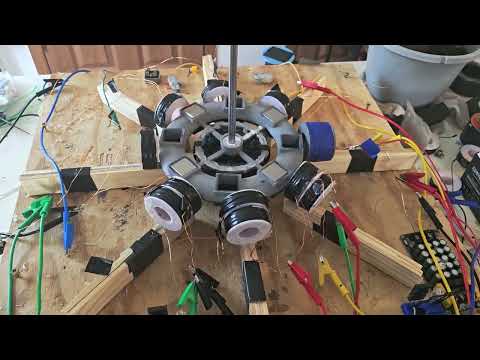
2 Schaltkreise betreiben ein drittes Zimmer mit etwas Wachstum/Erweiterung
Schau zu, wie ich zwei Puls-Motor-Schaltkreise auf einem Rad mit acht Spulenplätzen zünde.
 LangformVideos sind auf Englisch
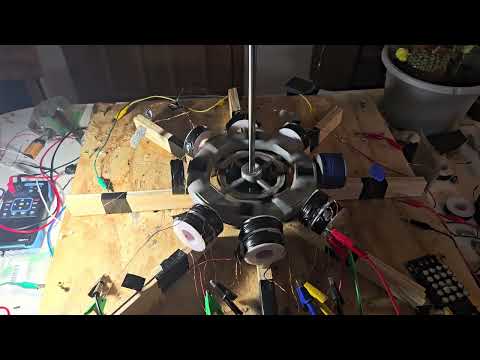
MPH Pulse Motor Labs EP:2 – Nur oberflächlich
Schau mir zu, wie ich einen Three Magnet Rotor One auf der Werkbank hochdrehe.
 LangformVideos sind auf Englisch
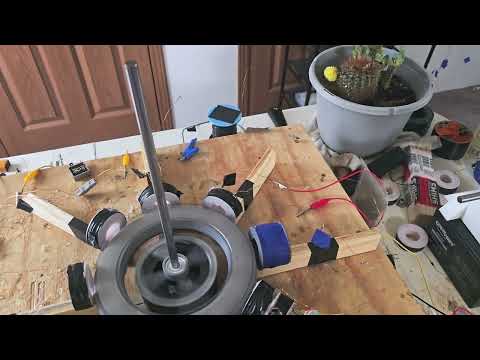
Amp-Trichter-Spule – Pulsmotor-Labor EP:1
Schau zu, wie ich diesen 8-Magnet-8-Spulen-Amp-Trichter-Spulen-Pulsmotor auf einem gekürzten Bedini-Schaltkreis zum Laufen bringe.
 LangformVideos sind auf Englisch
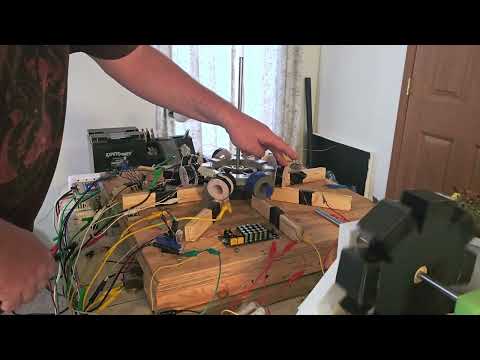
MPH Puls-Motor Labor
Schau zu, wie ich einen Puls-Motor mit Motor-Rotor-Magneten auf einem ausgewuchteten Rotor zum Laufen bringe.
Ein Weg · zuerst kostenlos
Kostenlos schauen → abonnieren → optionale Mitgliedschaft
Notizen bleiben gratis. Das volle Experiment lebt auf YouTube. Mitgliedschaft ist optional für Discord und Extras — nicht nötig zum Lernen.
- 2
Kostenlos abonnieren + Glocke an
Abonnieren tippen, dann 🔔, damit du das nächste Experiment nicht verpasst.
Kostenlos abonnieren + 🔔