Levitation·Transcript-backed
flick magnet the podcast: 7+ Minutes of Motion: Magnetic Di
Watch this wild experiment where a simple magnet disc spin setup kept going for over 7 minutes from just one wrist flick. I break down the mechanics, th…
Long-form · Full audio · Best on YouTube
Watch the complete video: flick magnet the podcast: 7+ Minutes of Motion: Magnetic Di
Watch the full long-form video on YouTube — that's where the full bench audio, runtime, and experiments live.
Preview embed · full runtime is better on YouTube
Prefer the full player? Better audio, runtime, and next-video queue on YouTube.
▶ Open full on YouTubeSee it on the bench · full runtime on YouTube
What to watch for
- ▸A single wrist flick produced over 7 minutes of continuous magnet disc spin.
- ▸The 10-inch bottom disc with round magnets on the edge appears to add momentum and reduce slowdown.
- ▸Magnetic levitation keeps friction extremely low allowing long spin times.
- ▸Adding a fan created a windmill effect that extended runtime to 30 minutes in earlier tests.
- ▸Stacked discs (8-inch on top, dual 10-inch below) create interesting magnetic interactions around the 4-5 minute mark.
- ▸This setup shows how simple permanent magnet arrangements can produce surprisingly long motion without power.
Watch the full long-form video on YouTube — that's where the full bench audio, runtime, and experiments live.
Experiment notes (read while you watch)
Notes support the video — for the full-length run with complete bench audio, stay on YouTube.
In this bench session I spun up a stacked magnet disc setup using only a quick wrist flick and timed how long the magnet disc spin would last. The bottom 10-inch disc with edge magnets seemed to help it keep going past 7 minutes with almost no friction. No electromagnets or sensors were needed in the final run – just pure mechanical and magnetic interaction.
Key takeaways
- A single wrist flick produced over 7 minutes of continuous magnet disc spin.
- The 10-inch bottom disc with round magnets on the edge appears to add momentum and reduce slowdown.
- Magnetic levitation keeps friction extremely low allowing long spin times.
- Adding a fan created a windmill effect that extended runtime to 30 minutes in earlier tests.
- Stacked discs (8-inch on top, dual 10-inch below) create interesting magnetic interactions around the 4-5 minute mark.
- This setup shows how simple permanent magnet arrangements can produce surprisingly long motion without power.
I fired up the camera and gave this magnet disc spin setup a quick flick. What happened next surprised me – over 7 minutes of smooth rotation from one wrist motion. No coils, no batteries, just magnets and careful levitation.
Bench notes: Started with a basic spin and timer. Subtracted 20 seconds for reaction time. The levitating disc has an 8" top plate over dual 10" lower discs. Round neodymium magnets line the outer edge of the bottom disc. Infrared and electromagnet attempts were tried earlier but the pure passive run worked best.
The real story is how the bottom disc seems to keep the motion alive longer than expected. Around the 4-minute mark you can see the magnets start interacting more but it doesn't kill the spin. By 6 minutes it's still turning nicely and hits 7 minutes 40 seconds in the best run.
Support the channel if you're into these kinds of hands-on experiments. Every membership helps me buy more magnets and discs to push these tests further.
From the spoken experiment
The following notes stay close to what was said in the video about flick magnet the podcast:
> all right so we're going to take a look at the mechanics of what makes this thing spin for so long so I'm gonna spin it we're going to look at the time we're going to subtract that time I'm thinking 20. all right so we're going to take 20 seconds off been trying all different kinds of things with this uh it's kind of working kind of it's nothing like what I want though so I'm going to try um see that little dot right there it's an electromagnet I'm going to try and get some motion going using a few electromagnets and some infrared transmitters and receivers foreign I think what adds to the motion here is this this 10 inch disc that I put on the bottom with these little round ones on the very edge and I think it's actually helping this thing move which is pretty exciting and it's not a huge deal because it stops but it it's pretty neat what happens two minutes in 10 seconds and then I had…
Builder checklist
- Confirm trigger/sensor timing before chasing higher voltage
- Watch heat on coils and transistors during longer runs
- Record voltage and behavior at each change (one variable at a time)
Related on this site
Related on this site
- Pulse Motor Rotor Design: Magnets, Materials and Balance — Directly relates to the stacked disc and edge magnet arrangement used in the magnet disc spin test.
- Magnetic Levitation on a Pole – Experiment 1 — Shows the same levitation technique that allows the 7-minute spin with almost zero friction.
- Understanding Magnetic Friction in Pulse Motors — Explains the friction (or lack of it) that makes the long spinning magnet disc possible.
---
*Generated from video transcript (hash `20a2b1b8291b…`).*
Full transcript (2,182 chars · en)
all right so we're going to take a look at the mechanics of what makes this thing spin for so long so I'm gonna spin it we're going to look at the time we're going to subtract that time I'm thinking 20. all right so we're going to take 20 seconds off been trying all different kinds of things with this uh it's kind of working kind of it's nothing like what I want though so I'm going to try um see that little dot right there it's an electromagnet I'm going to try and get some motion going using a few electromagnets and some infrared transmitters and receivers foreign I think what adds to the motion here is this this 10 inch disc that I put on the bottom with these little round ones on the very edge and I think it's actually helping this thing move which is pretty exciting and it's not a huge deal because it stops but it it's pretty neat what happens two minutes in 10 seconds and then I had the fan going earlier and it's you know it kept going for like 30 minutes and I was like wow man this is freaking weird it's crazy this has never happened before and I'm like oh well the magnets are acting like a windmill now there is an eight inch disc on top of a 10 inch disc underneath the other 10 inch disc I know that's crazy right and it's levitating the disc in the little round magnets on the edge of that has got to be doing something because it's I got it going for like seven minutes and 40 seconds without the fan I'm going to zoom in on that coming up on four minutes we're getting into that that stage here where um the magnets on the on the bottom disc are going to start impacting the one on the top more the ambend coming up on five minutes and as long as you know there's a method that doesn't involve friction uh of the actual uh like actually touching the disc so it's free to spin you can still generate electricity at this point coming up on six minutes before and six minutes and this is just from the foot of my wrist we got this thing moving for at least six and a half minutes see this is where I think that the bottom disc is actually helping because this will go like this for a little while coming up on seven minutes unbelievable seven minutes seven
Keep watching · longer sessions
More long-form bench runs
Queue up the next long-form bench run on YouTube — longer sessions keep the workshop free for everyone.
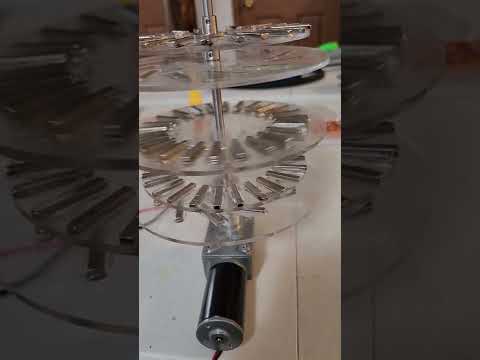 Long-form
Magnetic Levitation on a Pole – Experiment 1: Push, Pull & Balance
Papa Bale spends hours testing magnetic levitation on a pole with interchangeable discs.
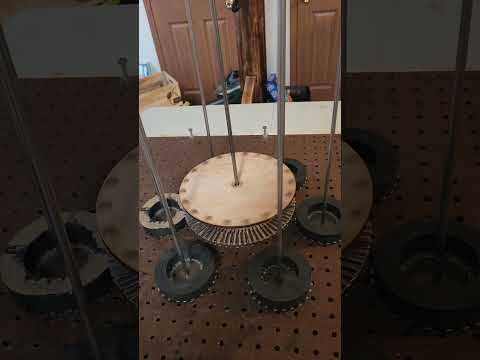 Long-form
Magnetic Levitation with Six Donut Magnets
Six donut magnets create unique levitation with 40+ second spins using push-pull magnetic forces.
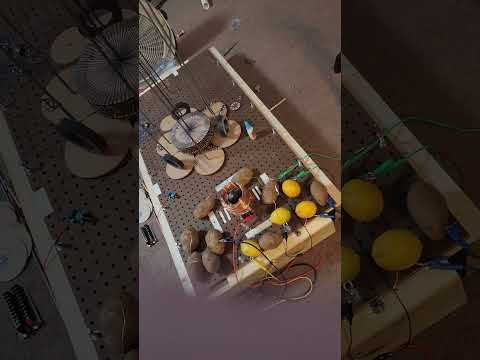 Long-form
Donut Magnets — Outside Poles & Motion
Three opposing donut magnets on outside poles under a floating 8-inch disc — longer spin, visible push kicks, and balance lessons from…
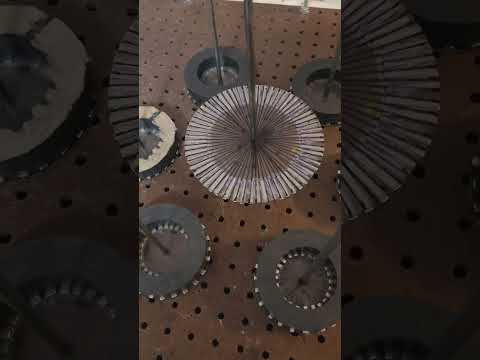 Long-form
Understanding Magnetic Friction in Pulse Motors
Four friction sources explored with micro-voltage generation — levitation versus bearing performance.
One path · free first
Watch free → subscribe → optional membership
Notes stay free. The full experiment lives on YouTube. Membership is optional when you want Discord and exclusives — not required to learn.
- 2
Subscribe free + turn on alerts
Hit Subscribe, then the 🔔 bell so you catch the next experiment.
Subscribe free + 🔔 - 3
Optional: join for $2.99/mo
Members-only videos, Discord, and live shoutouts — cancel anytime.
Join $2.99/mo
Longer sessions · ad-supported free library
Not done yet? Queue the next long-form run
Queue up the next long-form bench run on YouTube — longer sessions keep the workshop free for everyone.
- 1▶ Watch full on YouTube
Start: Shocking Truth About Pulse Motors
Notes & transcript on site - 2▶ Watch full on YouTube
M.P.H's pulse motor labs Ep:3 Sandbox
Notes & transcript on site - 3▶ Watch full on YouTube
4 parallel drive coils pulse motor generator 25x with 2.08v .7 amps in 55v 1 amp out
Notes & transcript on site - 4▶ Watch full on YouTube
Bifilar Pancake Coil Build for Pulse Motor Generator
Notes & transcript on site